Because it’s October, I’m on my annual hunt for some good horror movies and novels to scratch the seasonal itch. But because the world is such a horror show, I’m very particular about the kind of horror I’m looking for this year. I don’t want anything too gory, or too nihilistic.
The horror movie It Ends was the perfect prescription for this particular Halloween ailment. It features barely any blood or jump scares at all. The horror is a more existential sort. It’s about a group of young friends in a car on a short trip who wind up on a kind of treadmill of a highway that stretches seemingly on forever into an unending wilderness. For spoilery reasons, they can’t stop driving, and for unexplained reasons they don’t need to worry about gas, food, or sleep.
I’d be lying if I said It Ends ties its plot up into a neat little bow. But that’s not what I wanted from this movie. Instead, I got exactly what I was hoping for—an unsettling movie about interesting people stuck in a hell that they can’t understand. It’s a lot of fun, and the right kind of horrific.
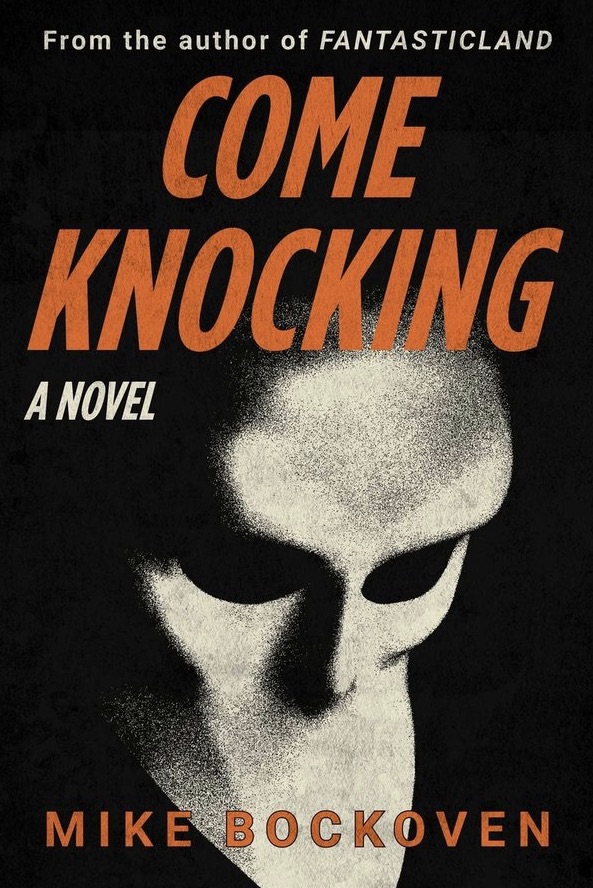
Mike Bockoven’s novel Come Knocking doesn’t have much in common with It Ends—it’s a more grounded, less existential kind of horror story—but I enjoyed it just the same. It’s told in the style of an oral history, with multiple narrators telling an unknown questioner about their experiences.
And the premise is kind of genius. It’s about a wildly popular theatrical experience that takes place across hours and multiple floors of a building. People pay hundreds of dollars and wait for months to attend the show, which can be enjoyed in virtually any way possible—you can follow characters as they move through the different levels of the building, and each narrative tells its own story. We know at the beginning of the book that something bad happened at that play—people died—but we don’t know what exactly happened, or how, or why.
I had a lot of fun imagining what it would be like to attend the play at the center of Come Knocking, and I was intrigued enough by the mystery to keep whipping through the book. Ultimately, I had a lot less fun with the last quarter of the book, and I also didn’t think that the disparate voices that make up the oral history were clearly distinguished from each other.
But like It Ends, Come Knocking is a story in which the journey is more important than the destination. The description of the play’s elaborate hellish scenarios and deep lore is intriguing, and the meta-culture that develops around the play, with haters and lovers alike piling into subreddits to build up or tear down the experience was interesting and rang true. It felt honest enough to me that the horror was bearable, without being overbearing. And that’s about all the terror I can handle this year.