Tag: comics

  • TV Network Executives Are a Cowardly, Superstitious Lot

    TV Network Executives Are a Cowardly, Superstitious Lot

    Batman: The Animated Series was probably the last TV show I fell in love with as a teen. I was still in high school when it came on the air, and I made it a point of landing in front of the TV every day that it aired.

    It’s hard to explain to a non-comics fan how incredible that series was to someone who had been reading Batman comics since before he could actually read. It distilled the characters down to their purest essences, telling streamlined stories that stripped away years of silliness and waste. But most importantly, it took the comics seriously in a way that no other adaptation ever did.

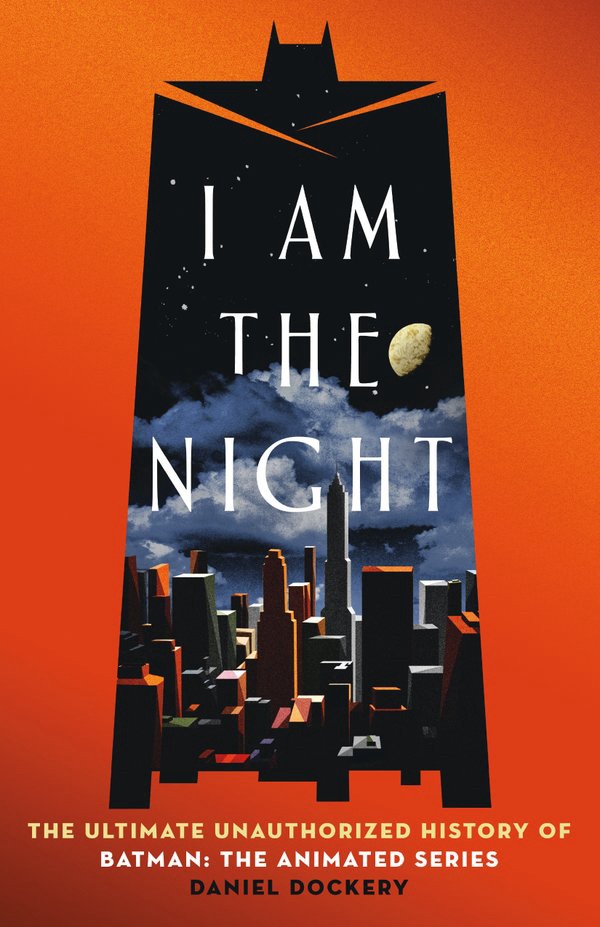
    Daniel Dockery’s book I Am the Night is an unofficial history of the animated Batman series, piecing the narrative together from a patchwork of sources.

    It’s interesting how the show was slapped together in an effort to ride the impending success of Tim Burton’s 1989 Batman movie, and just the right people happened to be in just the right place at just the right time to build something exceptional out of it. The cartoon could have just as easily been a quick and obnoxious cash-grab, but Hollywood happened to be fostering a new generation of animation artists who met the moment just as they were at the height of their powers.

    There are points where Dockery overreaches. I don’t think, for example, that it’s fair to compare Batman: The Animated Series with the works of Shakespeare for instance. But most of these nerdy works of journalism tend to suffer from moments of grandiosity, and they’re easy enough to ignore.

    If you have any emotional connection to the Batman cartoon or the decades of shows and movies that it influenced, you’ll probably enjoy I Am the Night, if just because it will confirm your suspicions that it was truly something special—a rare work of art jutting up awkwardly in a baldly commercial landscape.

  • If You’re a Book-Lover, There’s a Saturday Ferry Ride in Your Near Future

    If You’re a Book-Lover, There’s a Saturday Ferry Ride in Your Near Future

    This Saturday, September 26th, I’ll be interviewing Garth Stein and Miranda Mundt about their graphic novels at the Bainbridge Island Book Festival.

    Stein is the writer of Cloven, a series of graphic novels about a young Seattle boy who has the proportionate powers and abilities of a goat. The series, which is drawn by the fabulous Matthew Southworth, is doing something very interesting with Seattle as a setting—it’s holding a mirror up to the city and heightening our most difficult conflicts with the clever application of science fiction conceits.

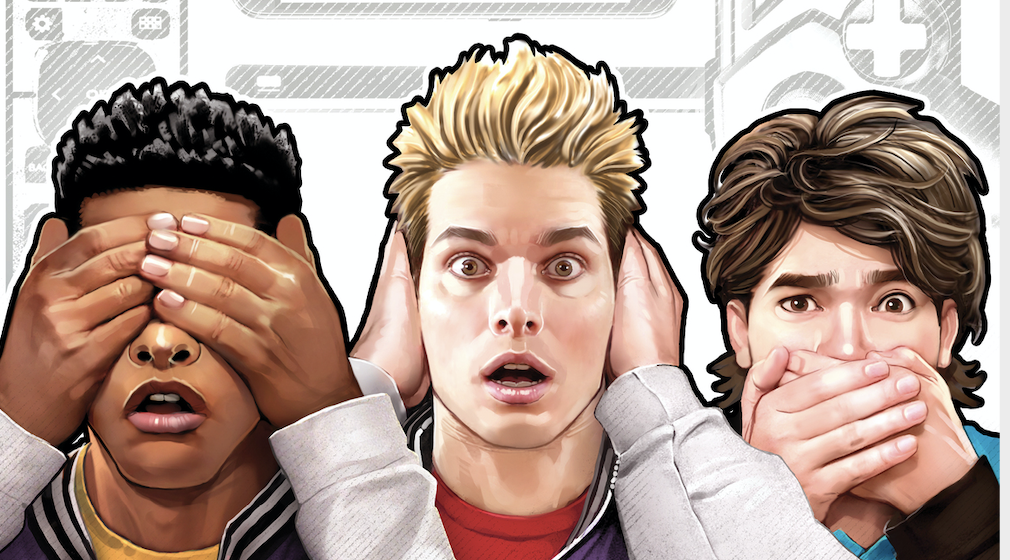
    Mundt is the writer and artist of Muted, a polyamorous coming-of-age witch story that is, I think, just as relevant to comics fans now as the original Spider-Man comics were to kids in the 1960s. The comic was a smash sensation on Webtoons and is now collected into two beautiful volumes.

    This is going to be a fun conversation—I love bringing together a comics writer and someone who does the writing and art because they have such different ideas about the capabilities of the medium.

    Best of all, the Saturday programming at the Bainbridge Island Book Festival is entirely free. You should come and make a day of the festival—but be sure to join us at 1 pm at the Stan Pocock Legacy Rowing Center for what’s sure to be a fascinating conversation between these two comics creators.

  • Three Important Tips for Writing Comics, as Written by Someone Who Has No Right to Give Advice on Writing Comics

    Three Important Tips for Writing Comics, as Written by Someone Who Has No Right to Give Advice on Writing Comics

    About a year ago, AHOY Comics published the first issue of my first-ever comic book miniseries, PLANET OF THE NERDS. AHOY Editor-in-Chief “Torrid” Tom Peyer’s decades of experience saved me from a boatload of first-timer mistakes, but I also learned a few lessons over the course of writing NERDS that I’d like to share with you.

    You may ask, “who the hell is this guy, who has written exactly ONE five-issue miniseries, to tell ME how to write comics?”

    I respond by kissing you gently on the forehead and whispering: “Shhhhhh. Just this once, in the middle of a literal plague, let me fulfill my lifelong dream of hijacking a comic publisher’s newsletter, okay?” Okay. Here goes.

    1. Give each character a secret, and never reveal it. In order to really get into each character’s head, I made up something about that character that only I would ever know: a shameful experience, an allergy, maybe a surprising opinion about a piece of pop culture. Sharing a secret with a fictional character is a great way to help you care about that character, no matter how villainous they are.

    2. Write for the rush. For comics writers, there’s no drug greater than the high of opening an email containing a freshly drawn page. I’d have to sit down when I got a new email from my partner on NERDS, Alan Robinson, because his artwork would literally make me swoon. So I started writing pages with that moment in mind: give Alan the raw material he needs to draw a dynamic page that makes me faint from joy when I see it for the first time. That goal helped create a more artist-friendly, visual book.

    3. Make a playlist and stick to it—no matter how much your ears bleed. When writing NERDS, I compiled a playlist of songs that were in heavy rotation in 1988, when the story begins: “Don’t Worry Be Happy,” “Hazy Shade of Winter,” “Bad Medicine.” I listened to it every time I wrote. Eventually, I got sick of the songs. Then, my body started to reject them like a bad heart transplant. Finally, John “Cougar” Mellencamp stalked me, Freddy Kreuger-like, in my dreams. But I stuck with the playlist, and it was essential to keeping me in the world of the book.

    Every writer has to find the process that works best for them, but these three tips improved my process. Did they produce a good comic? You can find out by buying PLANET OF THE NERDS from a comic shop or independent bookstore near you! And be sure to join me next time, when I’ll share three tips on how to awkwardly market your comic in the last paragraph of a writing craft listicle. (Number two will blow your mind!)

    (This piece was originally published in the AHOY Comics newsletter.)